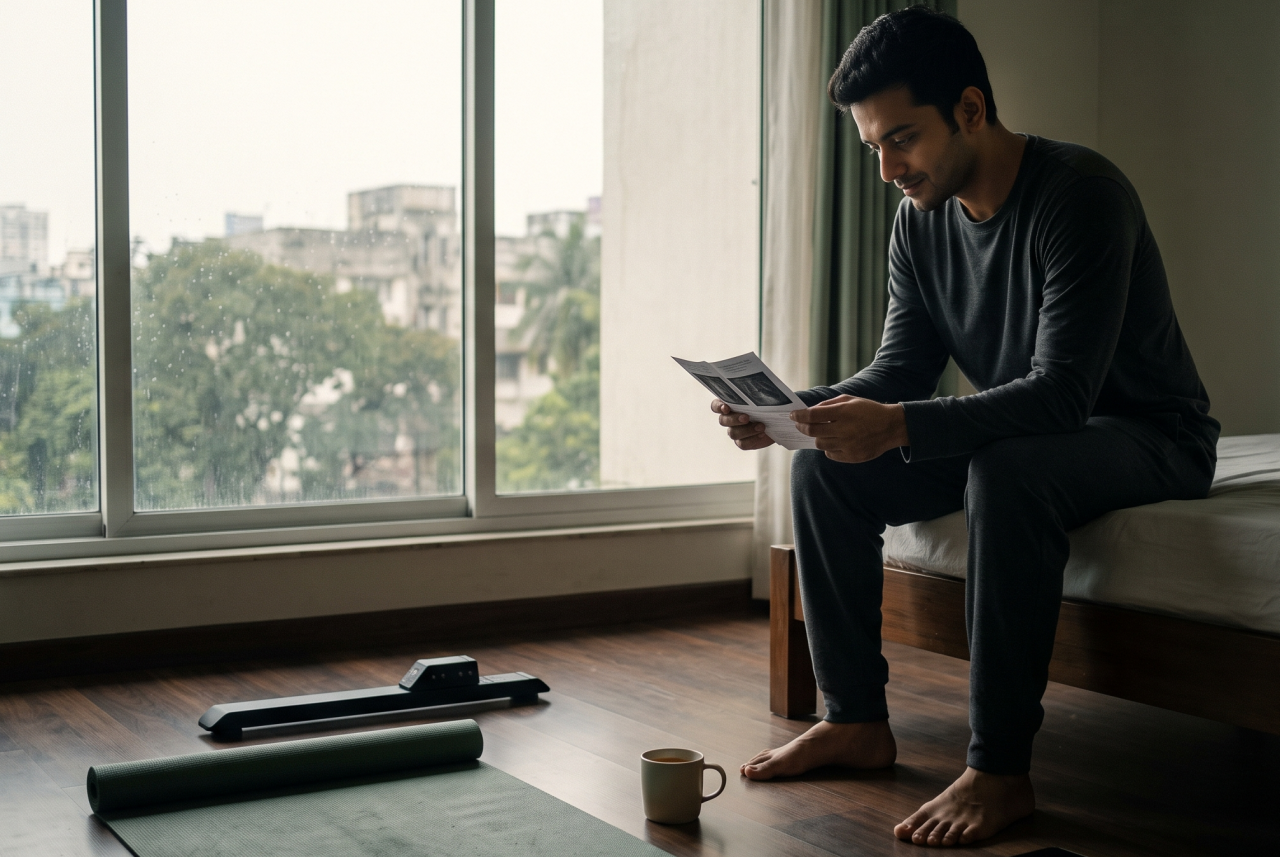
In 2014, at nineteen, I sat in a clinic and heard a doctor attach a cold, permanent word to my body: incurable.
In India, getting diagnosed with Ankylosing Spondylitis is a strangely solitary ordeal. Joint pain in the young is waved away; the averages are brutal. Five to seven years before anyone calls it by its name.
In that time, millions of us ricochet between clinics, misread and mislabeled, our spines quietly fusing while we wait for someone to order the right test.
My First Dance with the Devil
My wait was longer. The pain didn’t start in my spine. It began in 2005, when I was ten, as a nagging, unaccounted ache in my knees. For nine years, I lived with phantom pains and shrugged-off symptoms.
So, when the HLA-B27 result and the MRI finally spoke in 2014, it wasn’t a shock. It was the end of a decade-long riddle with a devastatingly clear answer.
My left sacroiliac joint had already fused thanks to Ankylosing Spondylitis. The damage was on record. I finally had a name for the invisible antagonist that had stalked my childhood.
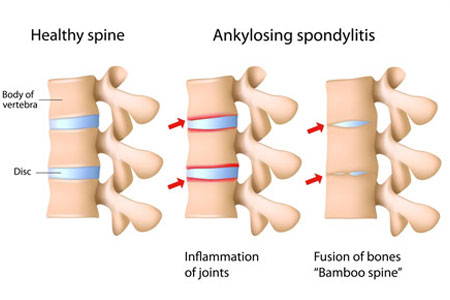
The worst part wasn’t the pain I felt that day. It was the clarity that this wasn’t an infection to outlast or a fever to break. This was chronic. Progressive. Autoimmune. Not curable.
At nineteen, being told your spine will spend the rest of your life trying to weld itself together invites grief. You start to eulogise your own body. You read the schematic of your faulty biology, and it feels like a sentence.
But a diagnosis defines anatomy, not destiny. It does not own your calendar, your choices, or your daily logistics.
When you finally stop bargaining for a miracle, something shifts. You take the controls. Stop treating yourself like fragile glass and start engineering for resilience. You learn the machinery.
The machinery is built to lock. Now, we learn the thaw.